

Difference between an essential oils and fragrances
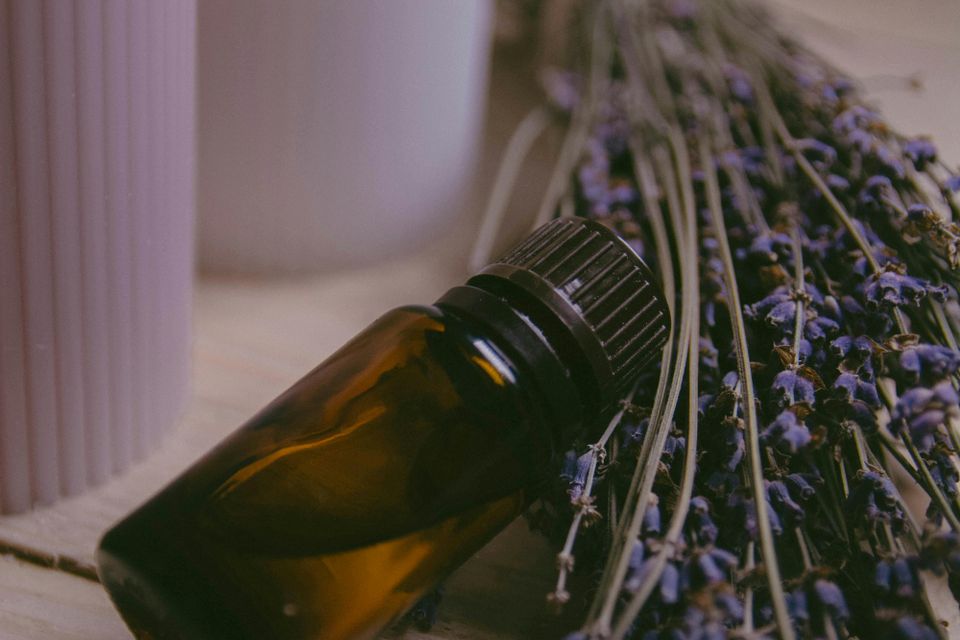
The main difference between an essential oil and a fragrance lies in their origin, composition, and purpose. Here’s a clear comparison:
1. Origin
Essential Oil:
• Derived from natural sources such as plants, flowers, roots, or fruits.
• Extracted through processes like steam distillation or cold pressing.
• Example: Lavender essential oil, obtained from lavender flowers.
Continue Reading >
The Skin Benefits of White Clay (Kaolin)
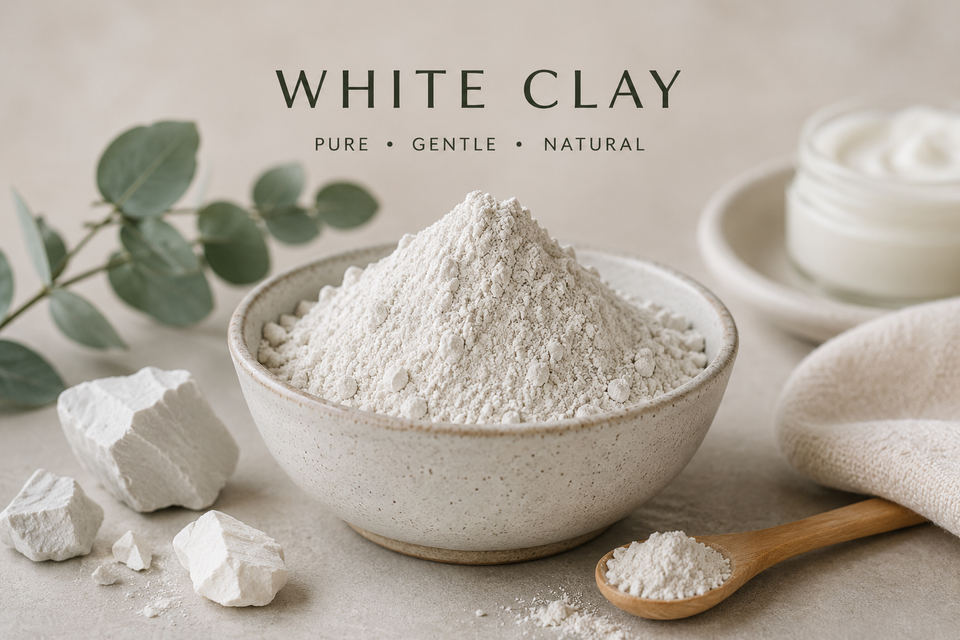
Imagine you’re looking for a handcrafted soap to add to your skincare routine. As you compare different options, you notice that one of them contains white clay (kaolin). You’ve probably seen this ingredient before in facial masks, cleansers, or other skincare products, but it raises a simple question:
What exactly is white clay, and why is it used in so many skincare products?
Continue Reading >
The Skin Benefits of Dead Sea Mud
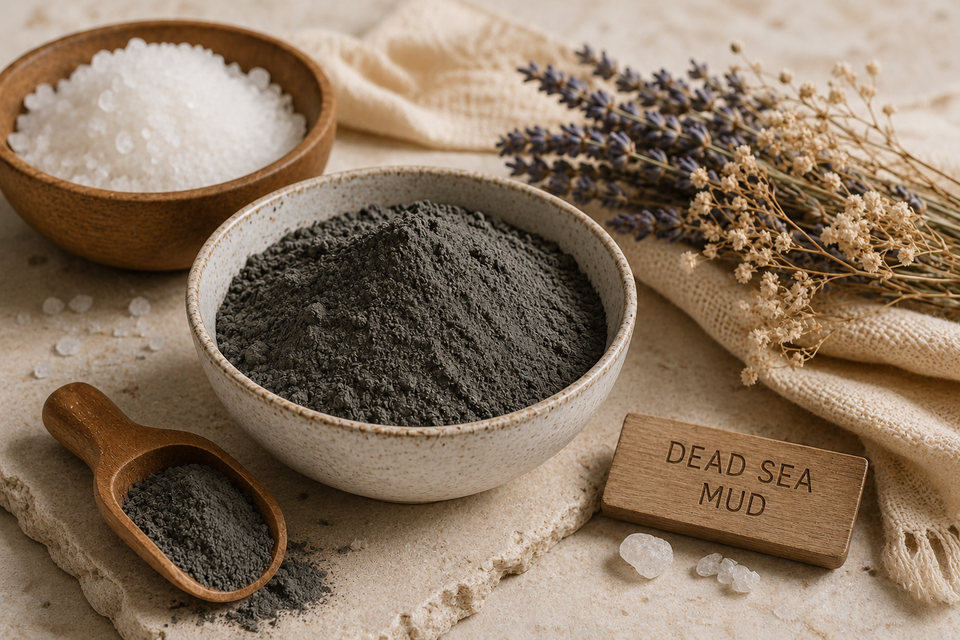
Imagine you’re exploring handcrafted skincare products and notice that one of them contains Dead Sea mud. You’ve probably heard of this well-known ingredient before, whether in facial masks, soaps, or spa treatments, but it raises an interesting question:
What makes Dead Sea mud so special, and why has it remained a popular skincare ingredient for so many years?
Continue Reading >
The Skin Benefits of Castor Oil
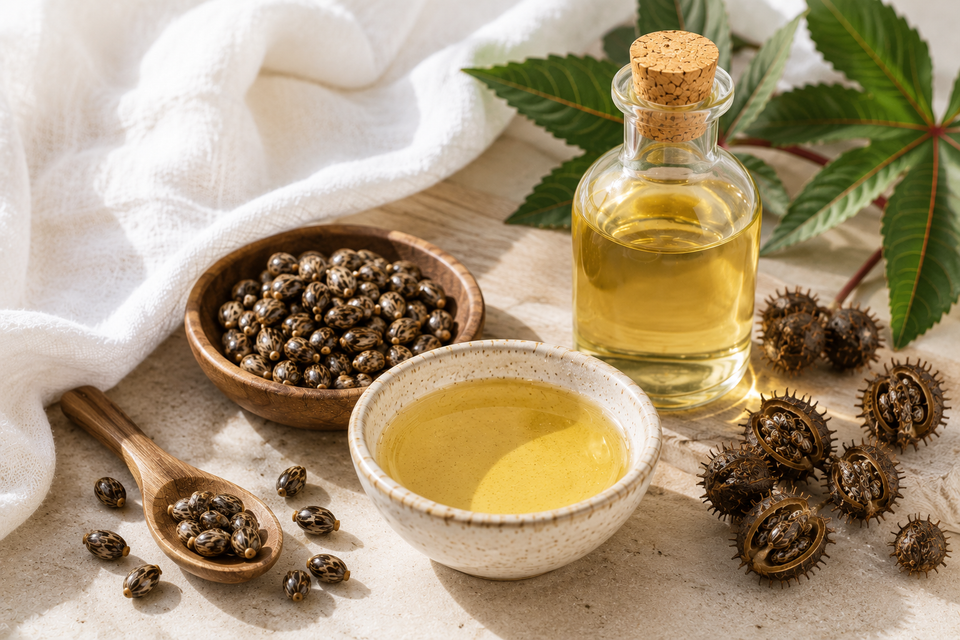
Imagine you’re reading the ingredient list on a handcrafted soap and notice castor oil among the first ingredients. You may already know it as a traditional beauty oil, but it raises an interesting question:
Why is castor oil used in so many skincare products?
Continue Reading >
The Skin Benefits of Moringa
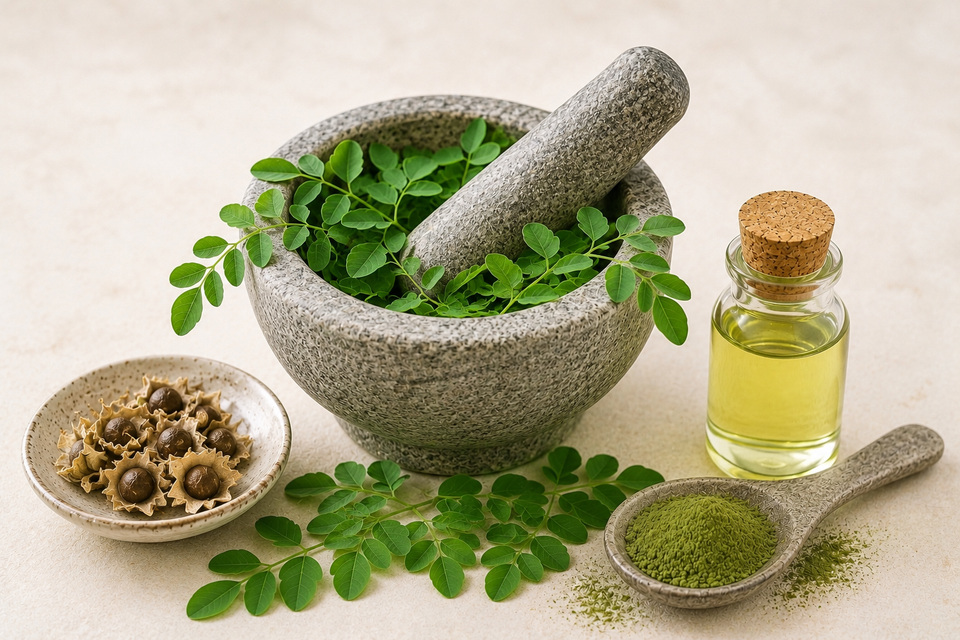
Imagine you’re exploring handcrafted skincare products and notice that one of them contains moringa. You may have heard of this remarkable plant before because of its popularity in nutrition, but it raises an interesting question:
Why is moringa used in so many skincare products?
Continue Reading >
Spirulina and its Contribution to the Skin
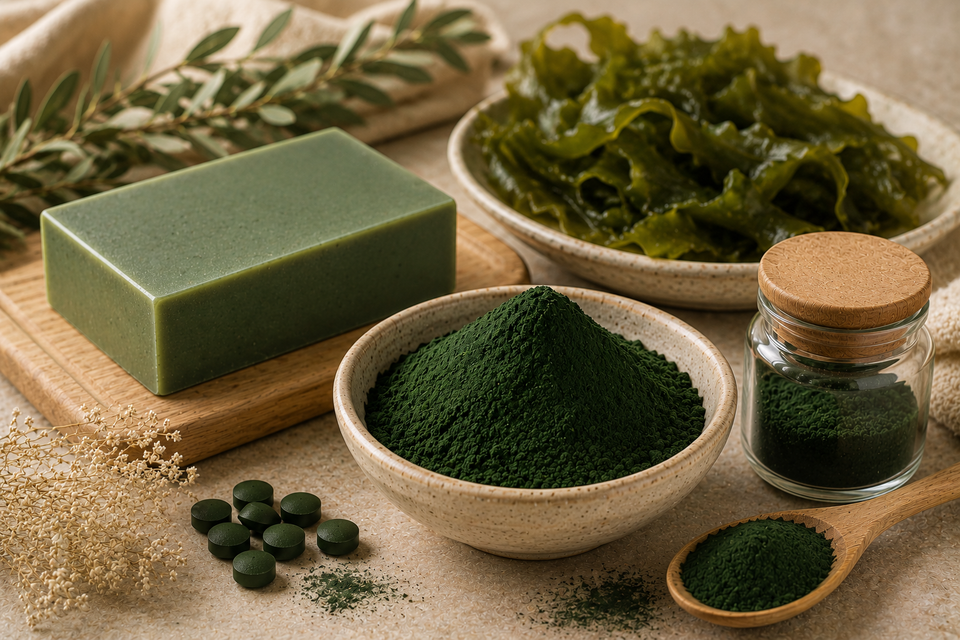
Nature offers an incredible variety of botanical ingredients, each bringing its own unique characteristics to handcrafted skincare. Among them, spirulina stands out for its rich green color and its remarkable botanical profile. Although many people recognize spirulina as a nutrient-rich microalga, it has also become a valued ingredient in natural skincare, inspiring artisan formulations that celebrate ingredients found in nature.
Continue Reading >
Continue Reading >
Rosehip and Its Contribution to the Skin
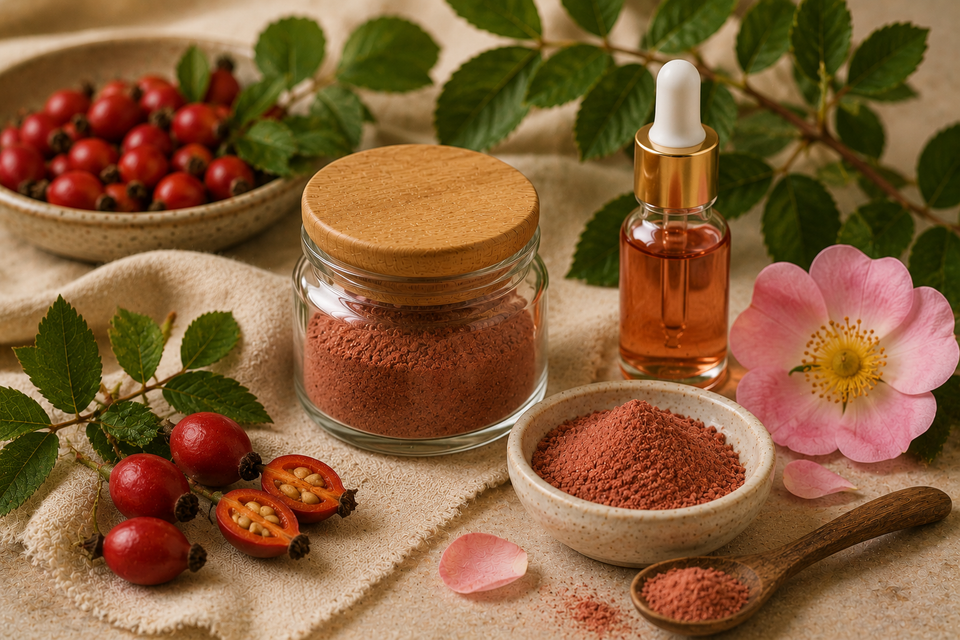
Nature has inspired skincare for centuries, and few botanical ingredients have earned as much appreciation as rosehip. Obtained from the fruit that develops after the wild rose blooms, rosehip has become a valued ingredient in handcrafted skincare because of its naturally occurring vitamins, essential fatty acids, and antioxidant compounds.
Continue Reading >
More Than Just a Kitchen Ingredient
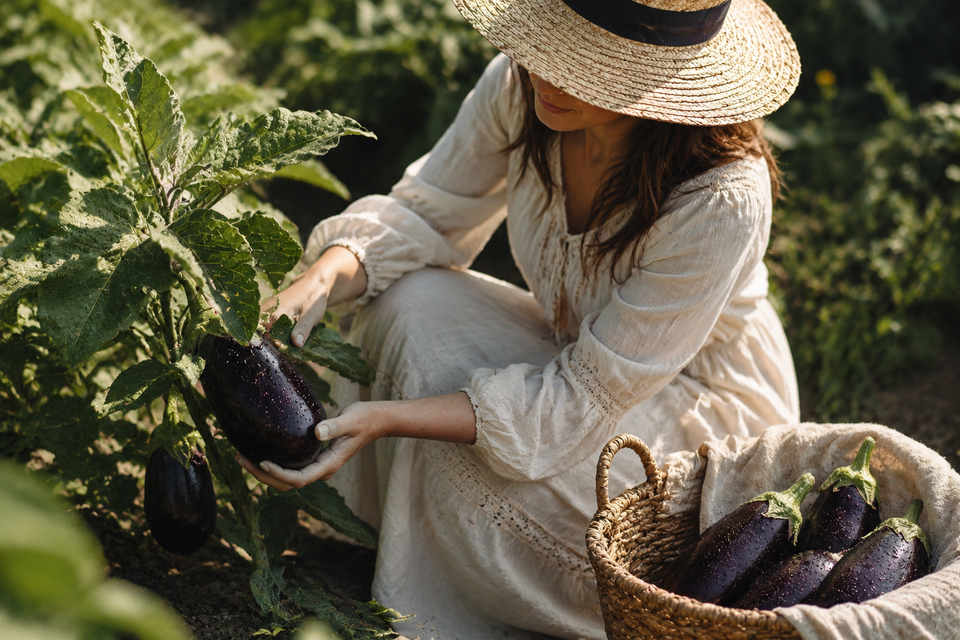
When most people think of eggplant, skincare is probably the last thing that comes to mind. Yet this familiar vegetable has attracted interest far beyond the kitchen because of the naturally occurring compounds found in its deep purple skin.
Continue Reading >
More Than a Kitchen Staple
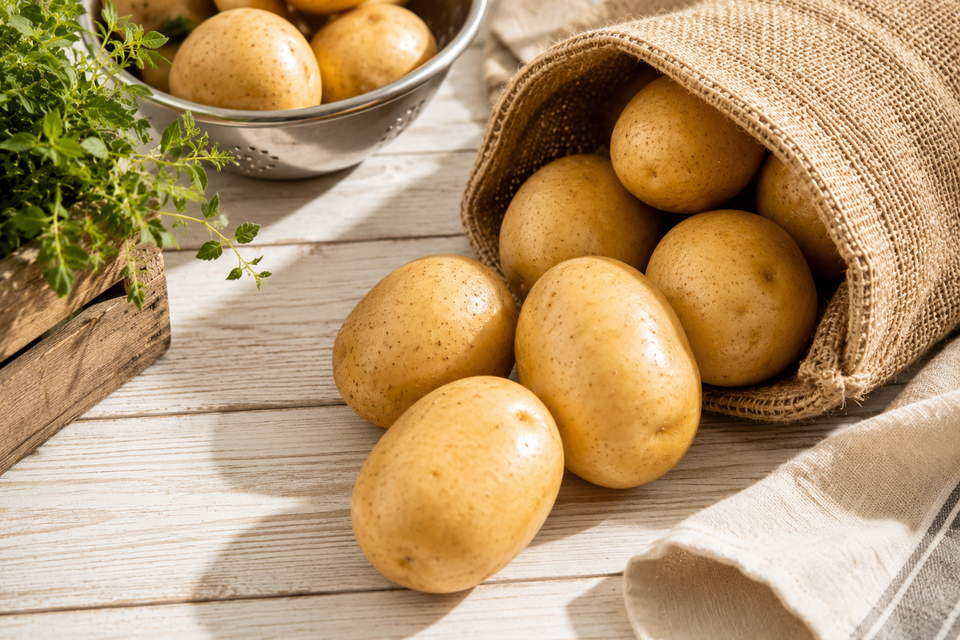
When most people think of potatoes, they probably imagine one of the world’s most popular comfort foods. Yet beyond the kitchen, potatoes have also attracted attention for their naturally occurring vitamins, minerals, and plant compounds, making them an interesting ingredient in botanical skincare.
Continue Reading >
More Than a Colorful Vegetable
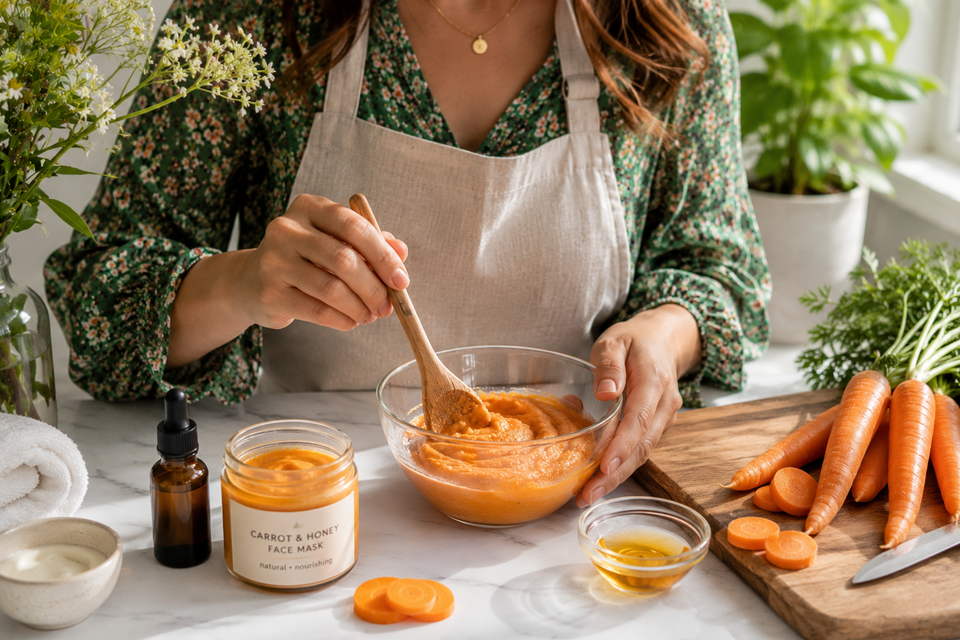
Bright, colorful, and found in kitchens around the world, the carrot has long been appreciated as a nutritious food. Beyond the kitchen, it has also become one of the most recognized botanical ingredients in natural skincare.
Continue Reading >
More Than a Refreshing Vegetable
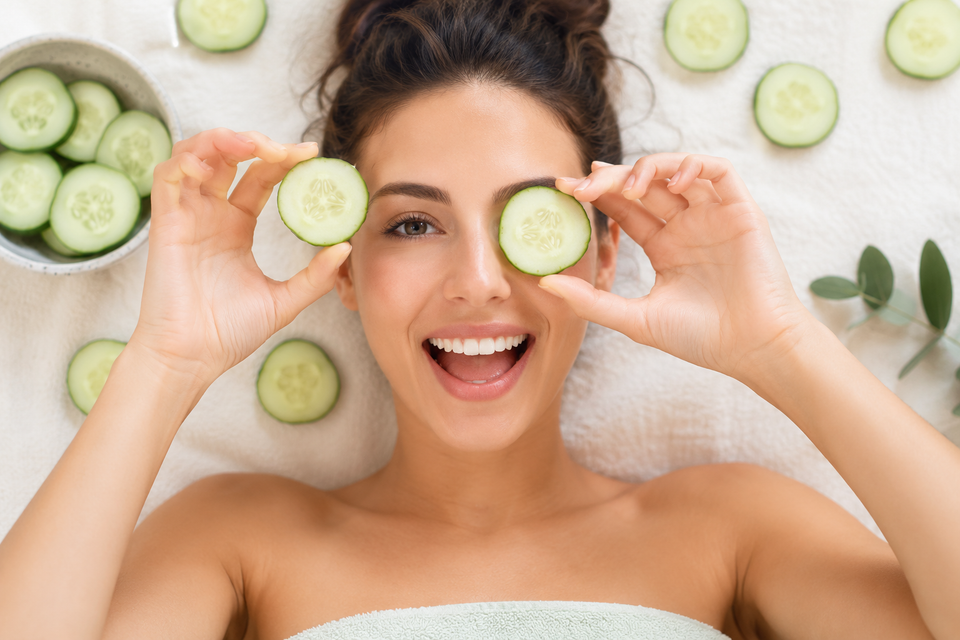
Cucumber has been appreciated in skincare for generations because of its naturally refreshing character. Composed primarily of water and containing naturally occurring vitamins, minerals, antioxidants, and plant compounds, it has become one of the most recognized botanical ingredients in handcrafted soaps and other nature-inspired skincare products.
Continue Reading >
Why Has Mango Butter Become Part of Botanical Skincare?
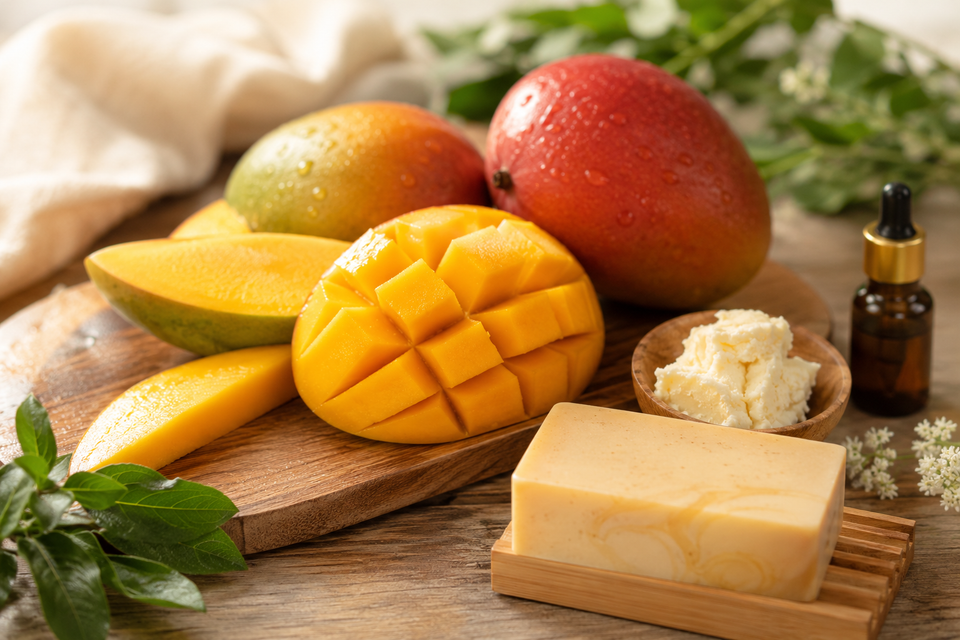
One of the reasons mango butter has become so popular is its versatility. Rather than serving as the centerpiece of a formulation, it is often combined with other carefully selected botanical ingredients to create balanced, thoughtfully crafted skincare products.
Continue Reading >
More Than a Sweet Fruit
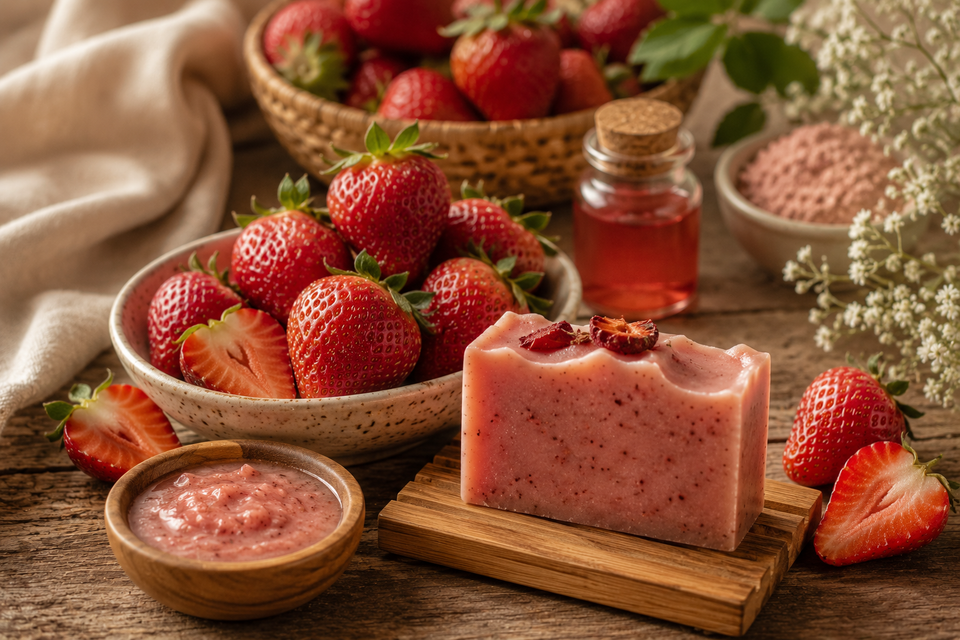
Strawberries are admired around the world for their bright color, fresh flavor, and natural sweetness. Beyond the kitchen, they have also earned a place in botanical skincare thanks to their naturally occurring vitamins, antioxidants, fruit acids, and other plant compounds.
Continue Reading >
More Than a Tropical Fruit
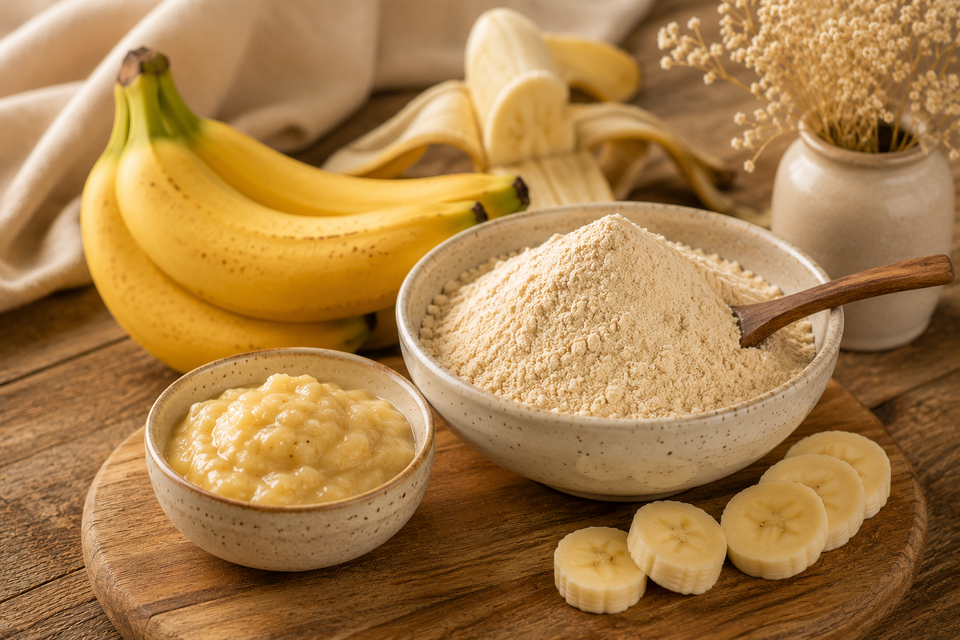
Bananas are widely appreciated as one of the world’s most familiar tropical fruits, but they have also become an increasingly popular ingredient in handcrafted skincare. Naturally containing vitamins, minerals, and a variety of plant compounds, bananas have inspired artisan formulators to incorporate them into botanical products that celebrate the simplicity of nature.
Continue Reading >
Vitamin E: Why Is It Such a Popular Ingredient in Skincare?
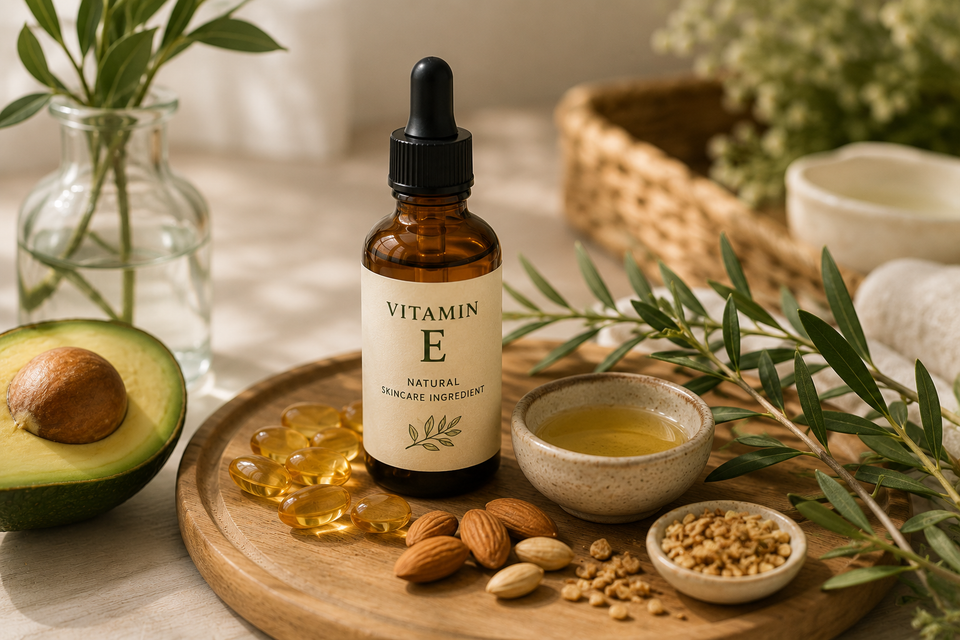
Imagine you’re reading the label of a skincare product and notice that one ingredient appears again and again: Vitamin E. Whether it’s a handcrafted soap, a moisturizing cream, a body butter, or a facial oil, this well-known vitamin seems to be everywhere.
It naturally raises an interesting question:
Continue Reading >
Vitamin C and Its Benefits
Vitamin C is in when it comes to your skin, but what is the true role of vitamin C is in skin care?
All animals and plants make their own vitamin C, except humans. As a result, we need to take vitamin C through our diet or apply it to the skin in the form of creams or serums.
The vitamin C that we take orally does not go to the skin, so one must apply this vitamin in the form of a cosmetic on the skin surface if we want to obtain its benefits.
Continue Reading >
All animals and plants make their own vitamin C, except humans. As a result, we need to take vitamin C through our diet or apply it to the skin in the form of creams or serums.
The vitamin C that we take orally does not go to the skin, so one must apply this vitamin in the form of a cosmetic on the skin surface if we want to obtain its benefits.
Continue Reading >
How to Choose a Skincare Product Based on its Ingredients
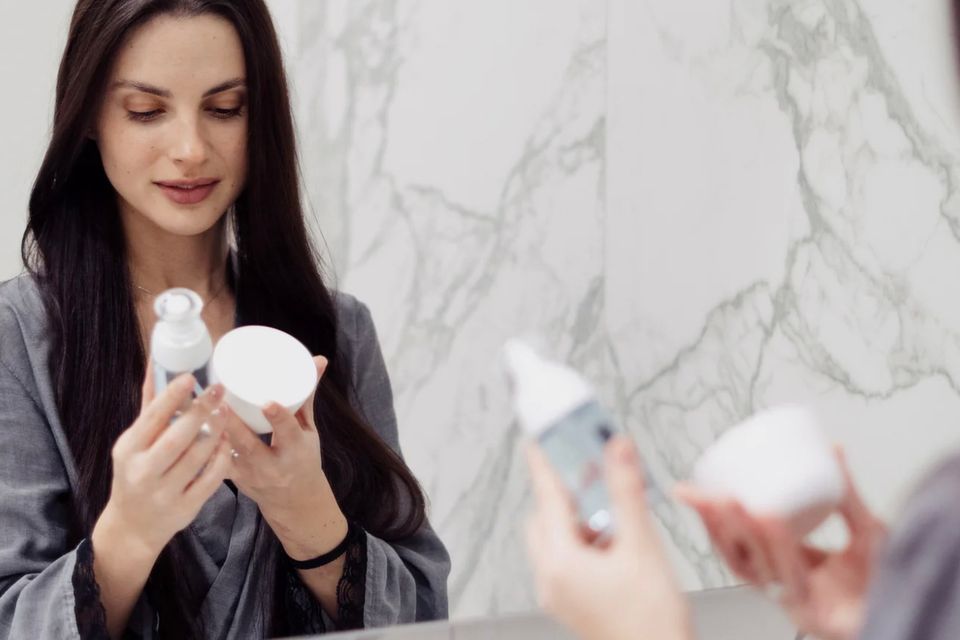
With today’s technological advances, there are many methods and formulas that have been implemented in the production of skincare products. However, when choosing a product we must take into consideration the current needs of our skin. Another factor to take into account is that everything we put on our skin ends up in the bloodstream, we know this because current medicine uses medicated skin creams and patches to treat health problems.
Continue Reading >
Continue Reading >
Turmeric and Its Skin Benefits
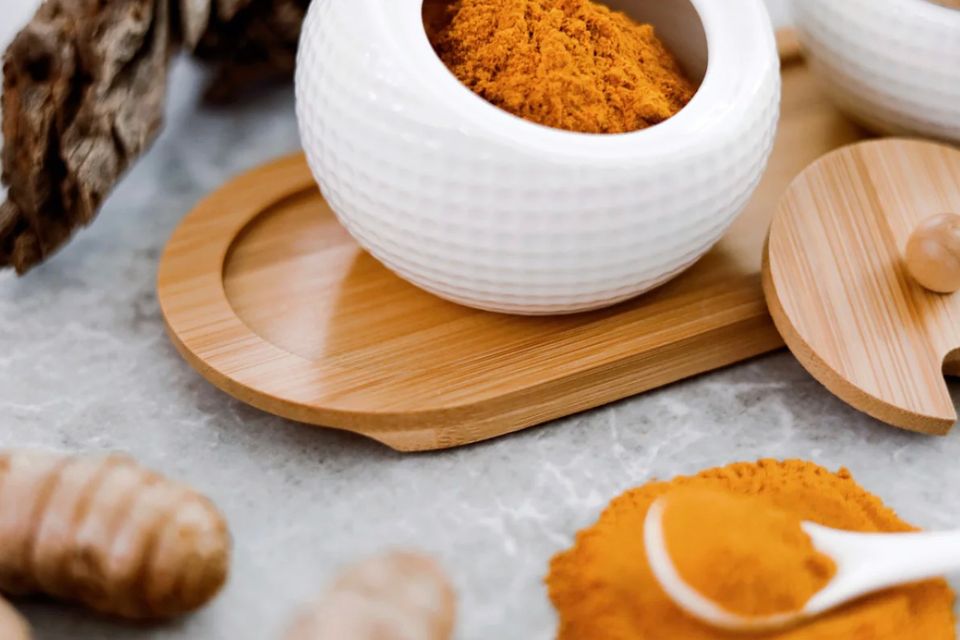
Turmeric is a plant native to Southeast Asia and India, where it was first used between 610 A.D. C and 320 A.C. The main secret of turmeric is found in its components, curcuminoids and curcumins, to which antioxidant and anti-inflammatory effects are attributed. Turmeric also contains vitamins and minerals such as: vitamin C, E and K, niacin, calcium, potassium, magnesium, iron, zinc and essential oils.
Continue Reading >
Continue Reading >
The Power of Flowers - 5 Flowers That Have Amazing Beauty Benefits
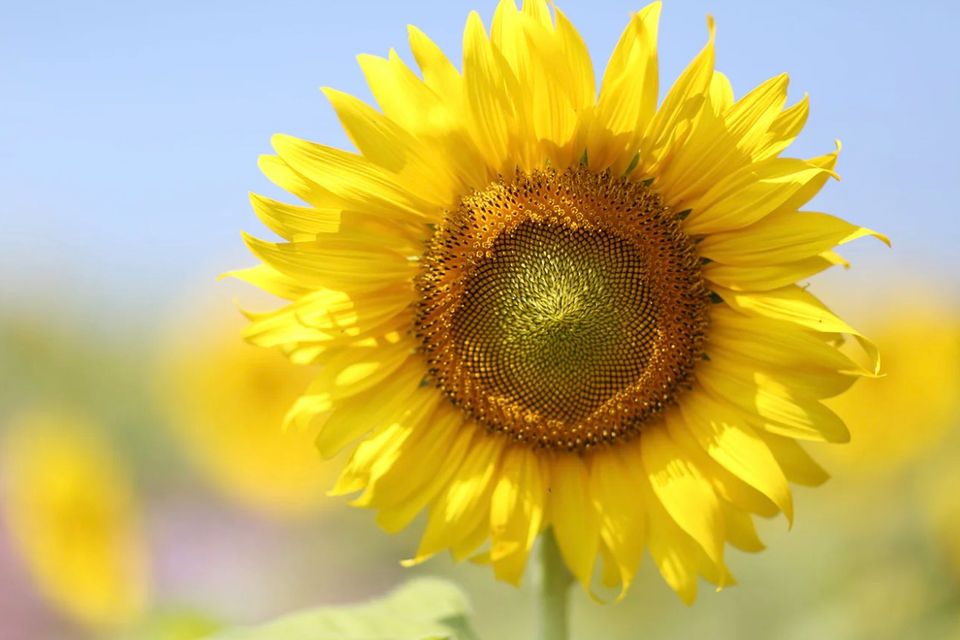
Flowers… They make our gardens, homes, and days a little brighter. With the coming of Spring, we can’t help but stop to appreciate their breathtaking beauty and aroma. Yet, flowers offer so much more than their physical appearance. With an extensive display of colors and scents comes an equally impressive array of properties unique to each flower—properties that possess amazing skin benefits. It’s no wonder that so many skincare brands formulate their products using flowers, and we’re no exception. In this article, we’ve listed 5 of our favorite flowers and why we use them.
Continue Reading >
Continue Reading >
3 Bee Products That Can Improve Your Skin
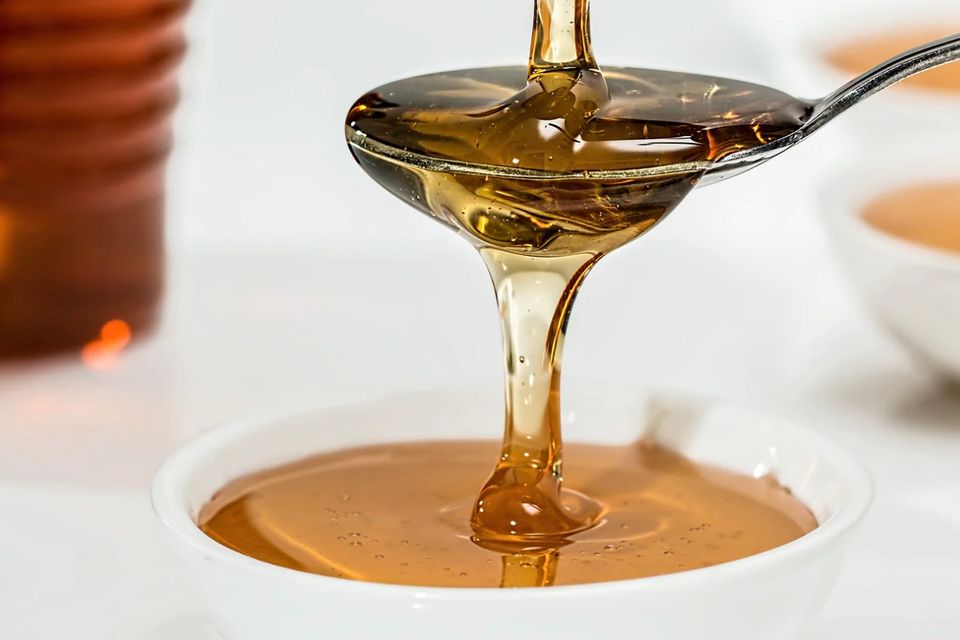
If you’re afraid of bees, you may start seeing them with different eyes after reading this article. It turns out that some of the substances created by honey bees have amazing skin benefits. Here, we’ll elaborate on three particular bee products we love to utilize in some of our products and how they can actually improve the health and beauty of your skin.
Continue Reading >
Continue Reading >
Aloe Vera - What Is It and Why We Love to Use It
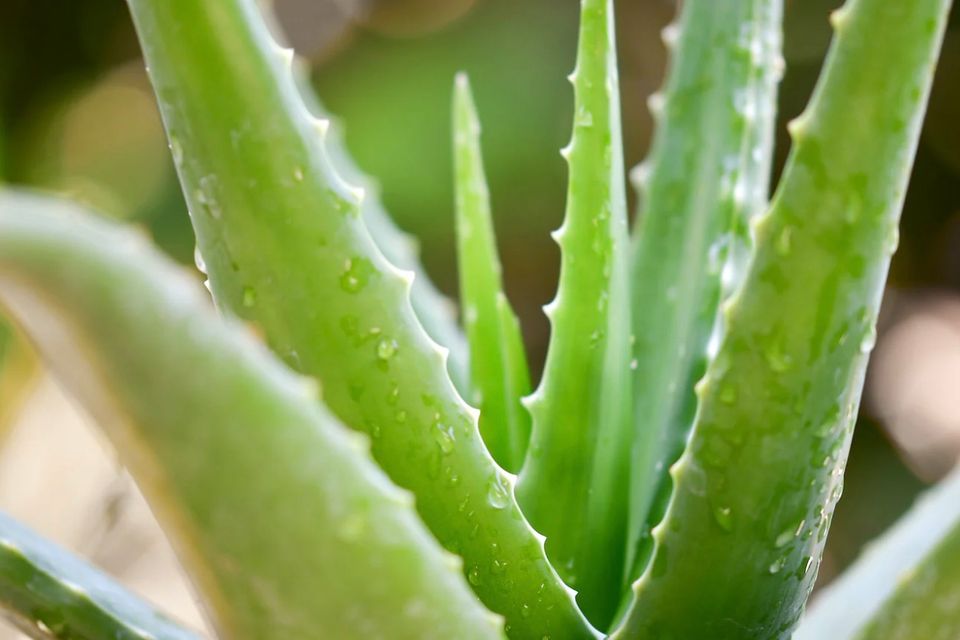
If you’re as obsessed about natural ingredients as we are, chances are you’ve probably used aloe vera for your skin at some point. Aloe vera is often the go-to remedy to treat a variety of skin ailments and remains a popular ingredient throughout the cosmetic industry today. You can find it incorporated in numerous skincare products ranging from face creams and lotions to cleansers and soap bars. Let’s discuss everything aloe and why this miracle plant deserves the hype.
Continue Reading >
Continue Reading >
Our Favorite Plant Butters and Their Benefits
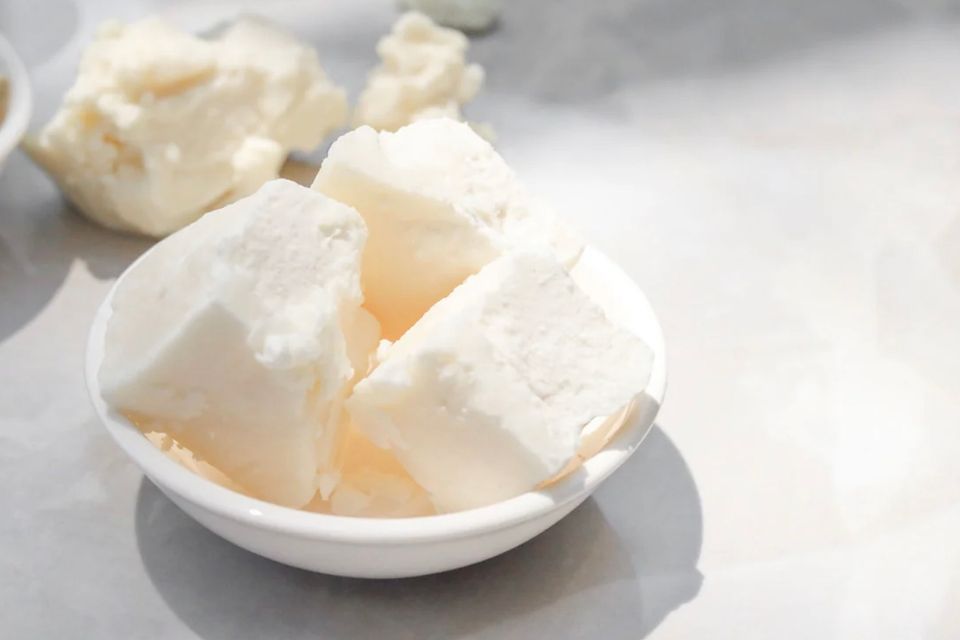
As the name suggests, plant butters are the thick, fatty substances extracted from the kernels, nuts, and seeds of plants. They are dense emollients, generally solid at room temperature, that carry an abundance of skin-fortifying nutrients that can hydrate even the most damaged skin types.
Continue Reading >
Continue Reading >
7 Fruit & Nut Oils You Should Incorporate Into Your Skin Care
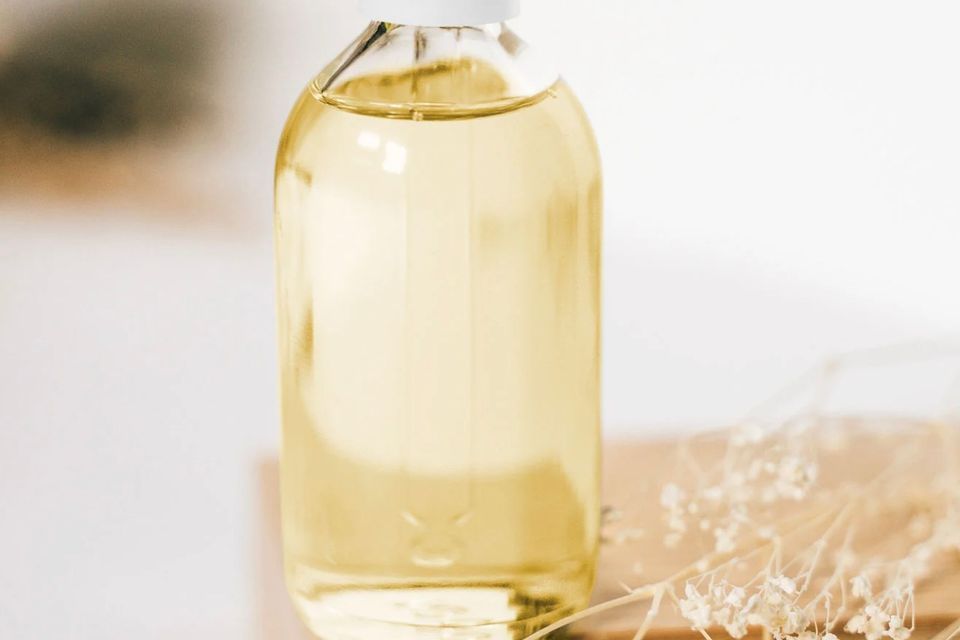
Looking for ways to improve your skincare routine? Try incorporating these 7 nutrient-rich fruit and nut oils:
Note: Our handmade soaps and skincare products use these oils because of their amazing skin benefits. If you’re looking to better your skincare, we welcome you to try one of our natural products.
Continue Reading >
Note: Our handmade soaps and skincare products use these oils because of their amazing skin benefits. If you’re looking to better your skincare, we welcome you to try one of our natural products.
Continue Reading >
What You Should Know About Mineral Oils and Why We Don’t Use Them in Our Products
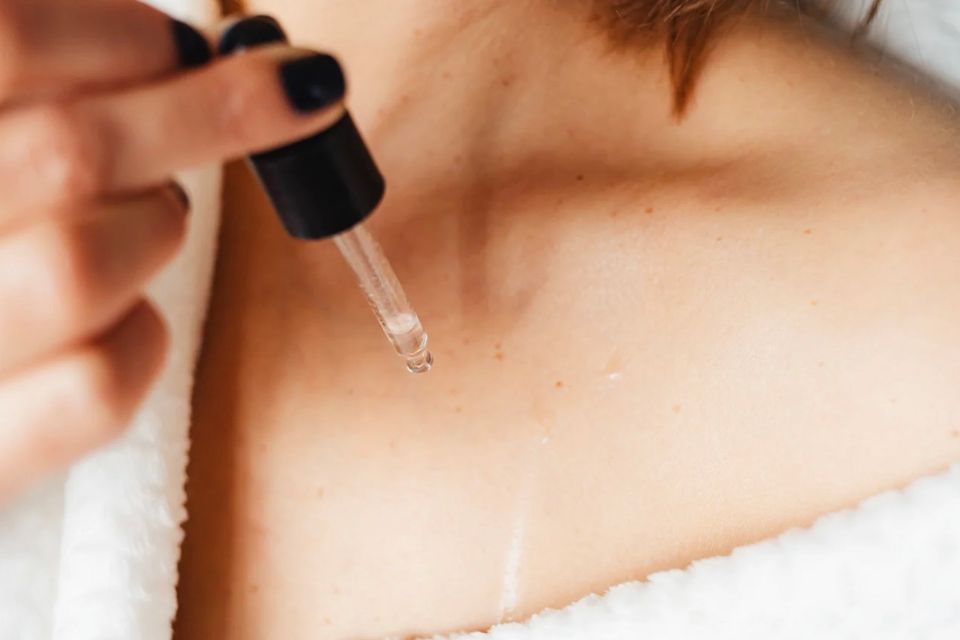
Petrolatum, microcrystalline wax, paraffin—these ingredients can be found in many cosmetics and skincare products. Also known as “base oils” or “lubricant oils,” mineral oils are derived from naturally-occurring crude petroleum oil. In fact, mineral oil is a byproduct of the gasoline-making process and is obtained through distillation and further refinement. The refinement process is key as it helps remove any hazardous materials from the oil. The result is a clear, odorless liquid that is safe enough to meet product specifications.
Continue Reading >
Continue Reading >
The Problem With Palm Oil—Why We Don’t Use Palm Oil In Our Products

Whether or not you’ve heard about palm oil before, chances are you’ve probably already encountered it in some way. According to the World Wildlife Organization, “palm oil is a small ingredient in the U.S. diet, but more than half of all packaged products Americans consume contain palm oil.” It’s used in thousands of consumer products ranging from food to beauty products to biofuel. While it is a natural ingredient, there is controversy tied to this plant oil and the way it is produced.
Continue Reading >
Continue Reading >
Skin Benefits of Coconut Oil
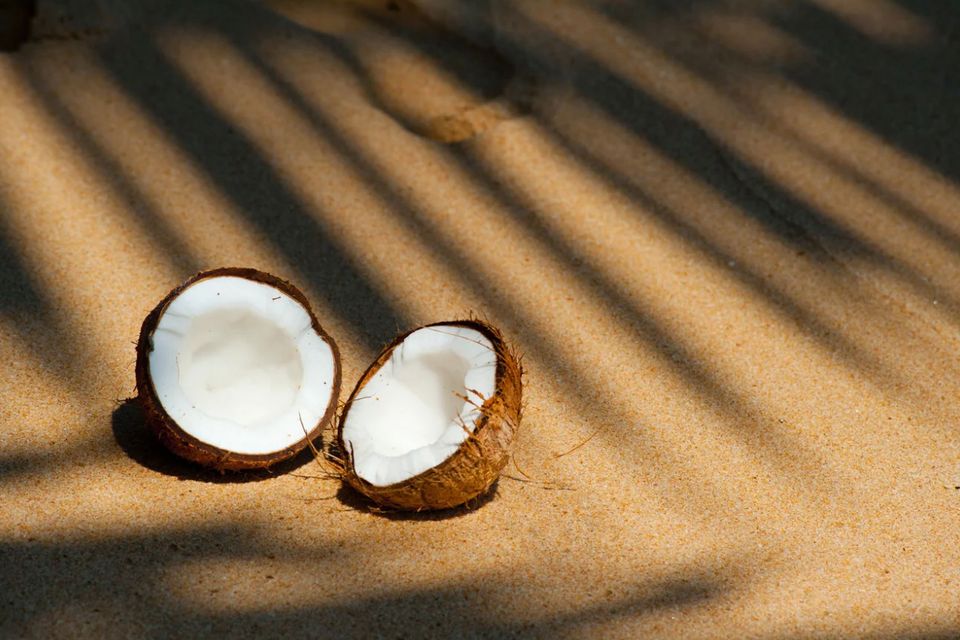
Around the world, coconuts have been cultivated for centuries for their innumerable uses. With evidence showing coconuts as one of the healthiest fruits on earth, it’s no surprise that they also have numerous benefits for the skin. As a result, coconut oil is one of the most utilized oils in the natural skincare community.
Continue Reading >
Continue Reading >
Why Olive Oil Is So Beneficial For The Skin
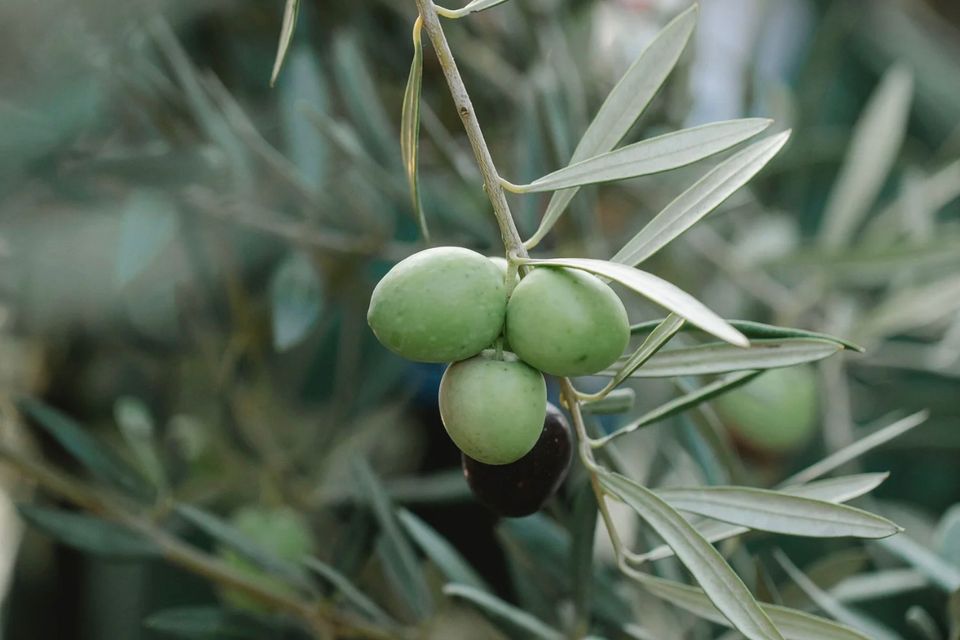
Olive oil is well-known for its versatility and health benefits. As a staple ingredient in Mediterranean cuisine, which was declared one of the healthiest diets in the world by UNESCO, it’s no doubt that olive oil is appreciated for more than its rich, nutty flavor. Aside from its proven health benefits, this pantry staple has also been utilized for centuries in skin care. Throughout this article we will discuss how olive oil is made and why it’s a key ingredient in many skincare products.
Continue Reading >
Continue Reading >
What Is Fragrance?
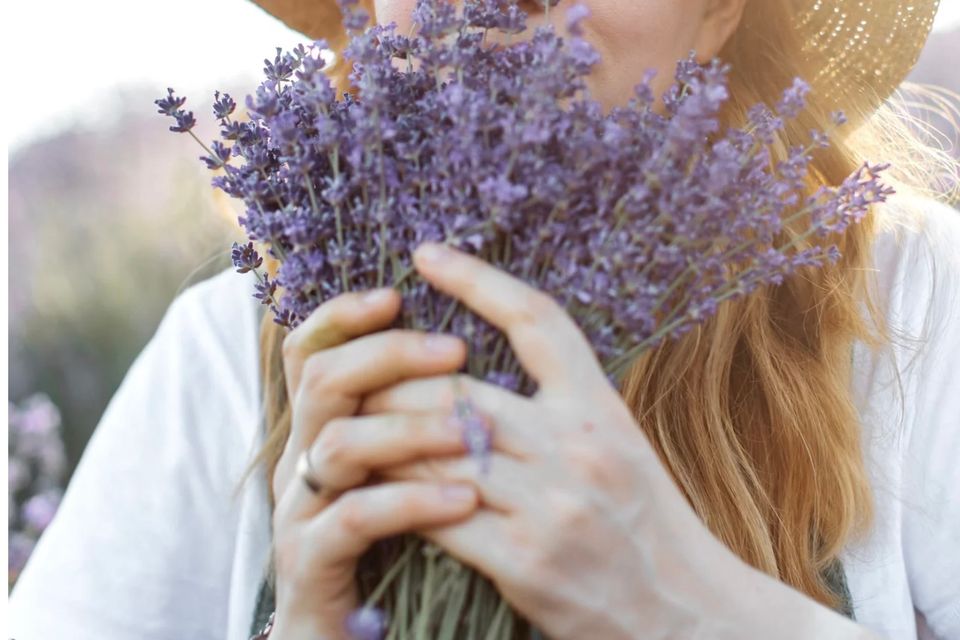
We all love pleasant aromas. Whether it’s that of a flower, an aromatic herb, a perfume, a cream, or even a soap, often our first inclination is to smell. The dictionary defines fragrance as “something compounded to give off a sweet or pleasant odor.” Its composition, however, determines what type of fragrance it is as well as its uses.
Continue Reading >
Continue Reading >
What Is Hyaluronic Acid And How Does It Work?

When it comes to our bodies’ aging process, hyaluronic acid plays a crucial role in helping our skin maintain its youthful appearance. We see it in numerous skincare products for its prized capability to revive and renew skin, yet we’re often left wondering what it is and how exactly it works. Is it really the anti-aging ingredient it’s hyped up to be?
Continue Reading >
Continue Reading >
What Is Hemp Oil And How Can It Benefit Your Skin?
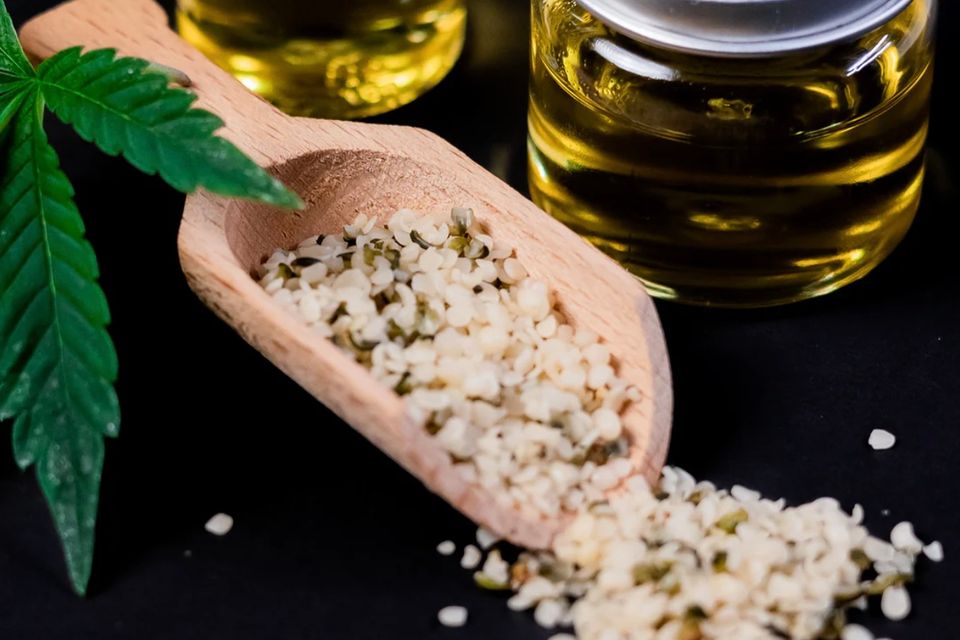
When it comes to skincare, it’s no doubt that hemp seed oil is considered one of the best oils for any skin type. We’ve seen it rise in popularity during recent years, yet it’s been around for centuries because of its amazing health and skincare properties.
Continue Reading >
A Little Hemp History
Continue Reading >
Difference Between A Hydrating Cream And A Nourishing Cream
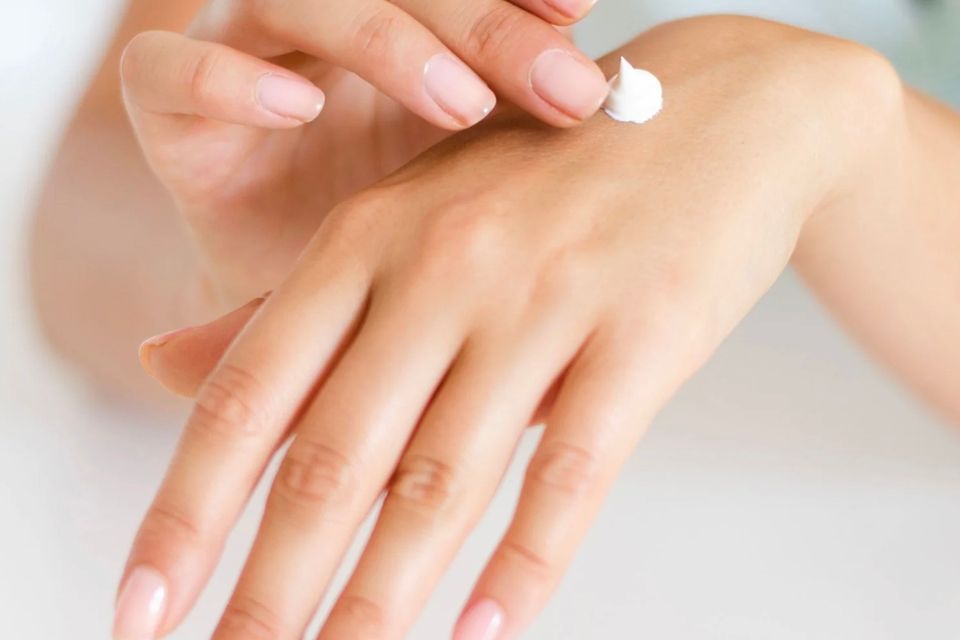
When we hear “hydrating cream” and “nourishing cream” it can be easy to label them as the same thing. Though they both help the skin in similar ways, they each work for different skincare needs and making the right selection will depend on factors like your age and skin type. (Learn more about skin types in our blog article “How to Care for Different Types of Skin.”)
Continue Reading >
Continue Reading >
The Benefits Of Using Natural Soaps
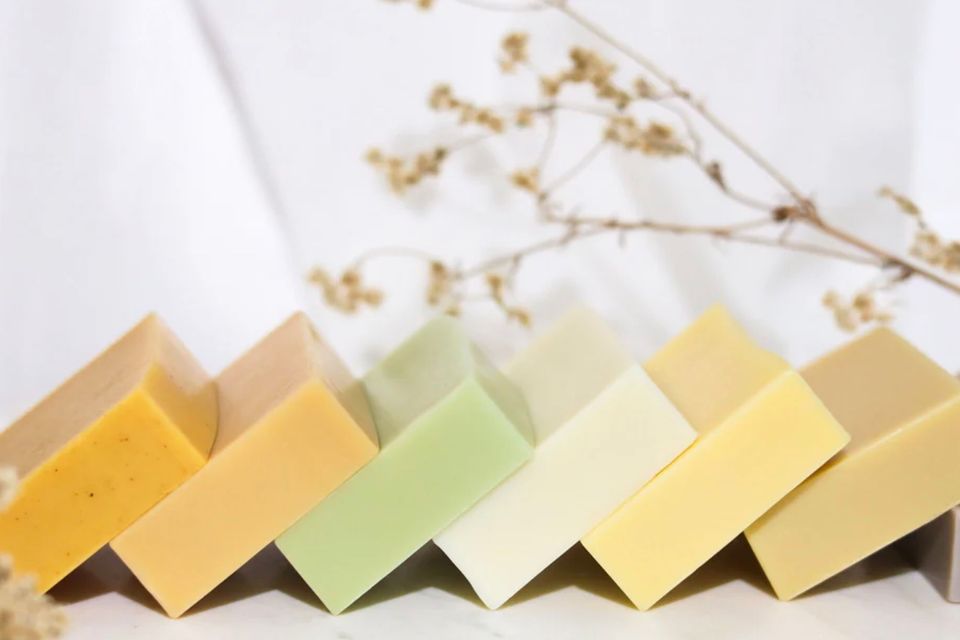
Picture this scenario... You purchase a regular 4-pack of soap bars for $5. The packaging seems promising as it indicates that it will leave your skin feeling “silky smooth” and “deeply moisturized”, so you confidently use this bar a few times only to find out that your skin doesn’t feel the way you expected. Your skin feels dry, tight and maybe even slightly irritated in some areas.
Continue Reading >
Continue Reading >
What Are Essential Oils?
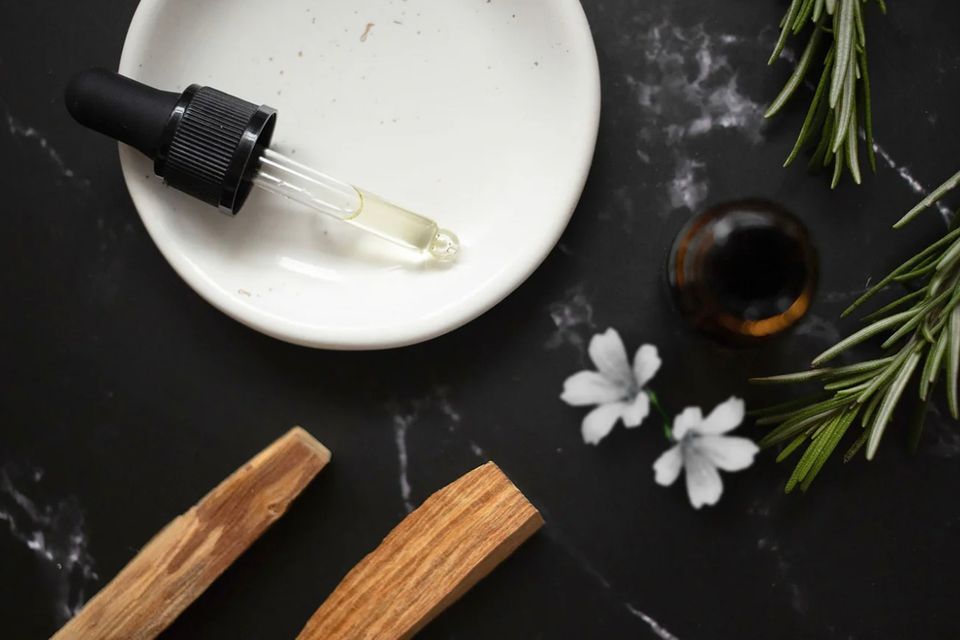
If you’re new to the world of essential oils, you’re probably wondering what they are and why they’re so highly regarded. With the growing emphasis on their ability to help both physically and psychologically, it’s no surprise that essential oils have gained so much popularity in recent years.
Continue Reading >
Continue Reading >